


Exploring the Significance of the Color Red in Artwork
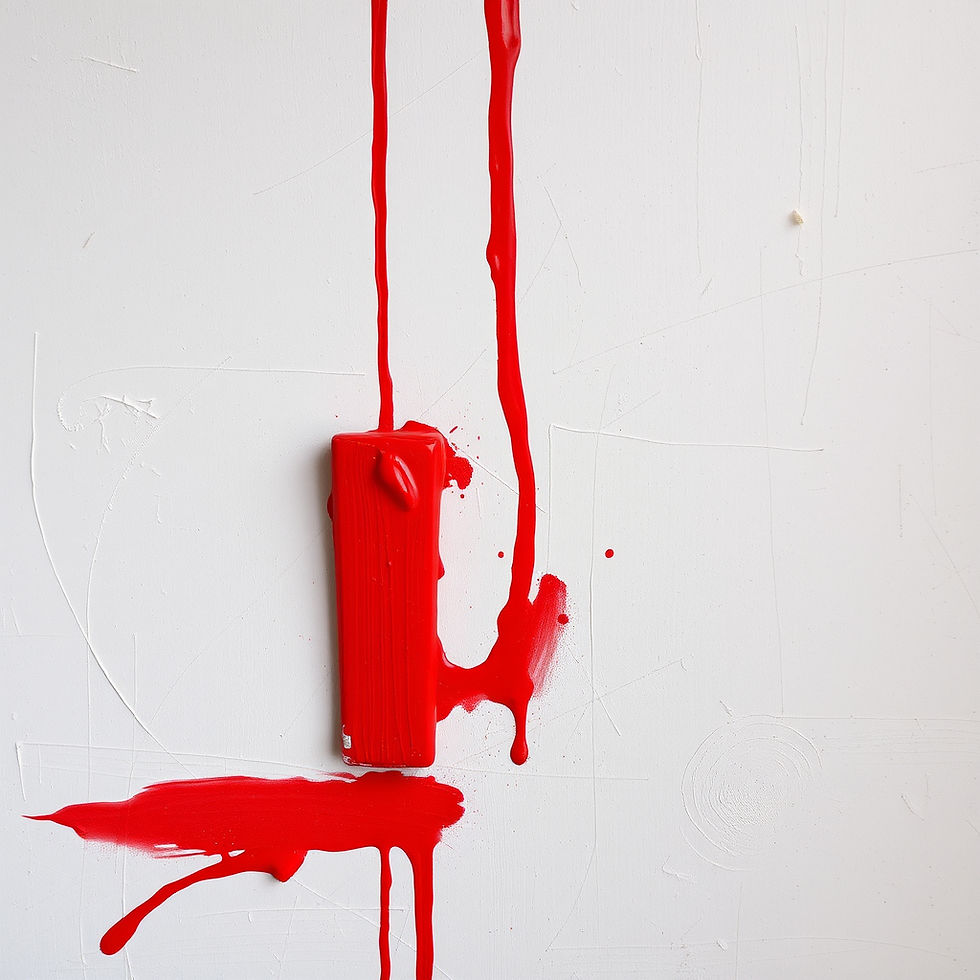
Red is one of the most powerful colors in art. It grabs attention immediately and stirs strong emotions. Artists have used red for centuries to communicate ideas, feelings, and stories. Understanding the role of red in artwork reveals how this color shapes meaning and influences viewers.
The Emotional Impact of Red
Red is often linked to intense emotions. It can represent passion, love, anger, or danger. This emotional range makes red a versatile tool for artists.
Passion and Love: Red frequently symbolizes romantic love and desire. In paintings, red roses or flowing red fabrics often evoke warmth and affection.
Anger and Violence: Red can also signal aggression or conflict. Blood-red hues in battle scenes or dramatic portraits heighten tension.
Urgency and Danger: Red’s visibility makes it a natural choice to warn or alert. Artists use red to draw focus to critical elements or create a sense of urgency.
For example, in Henri Matisse’s The Red Room, the intense red background fills the space with energy and warmth, inviting viewers into a vibrant domestic scene.
Red in Different Artistic Traditions
The meaning of red varies across cultures and art styles. Exploring these differences helps us appreciate its complexity.
Western Art: In European paintings, red often symbolizes power, wealth, and religious significance. Renaissance artists used red to highlight important figures like Christ or royalty.
Asian Art: In Chinese culture, red represents luck, happiness, and prosperity. Traditional paintings and decorations use red to celebrate festivals and important events.
Modern and Abstract Art: Contemporary artists use red to challenge viewers or express raw emotion. For instance, Mark Rothko’s red fields evoke deep contemplation and emotional intensity.
These cultural layers add depth to red’s role in artwork, showing how it can carry different messages depending on context.
Techniques for Using Red in Art
Artists apply red in various ways to achieve specific effects. The choice of shade, placement, and combination with other colors all influence how red is perceived.
Shades and Tones: Bright reds can energize a composition, while darker reds create moodiness or seriousness. Earthy reds often suggest warmth or natural elements.
Contrast and Balance: Red stands out against cool colors like blue or green. Artists use this contrast to guide the viewer’s eye or create focal points.
Symbolic Placement: Placing red near faces or hands can emphasize emotion or action. In religious art, red garments often indicate holiness or sacrifice.
For example, Caravaggio’s use of red in The Taking of Christ highlights the drama and betrayal in the scene, focusing attention on key figures.
Red and Viewer Perception
Red affects how viewers experience artwork. It can influence mood, attention, and interpretation.
Attention Grabber: Red naturally draws the eye, making it useful for highlighting important parts of a painting or sculpture.
Emotional Response: Red can provoke excitement or anxiety, depending on the context. This emotional pull helps create a connection between the artwork and the viewer.
Cultural Associations: Viewers’ backgrounds shape how they interpret red. Knowing this helps artists communicate more effectively.
Understanding these effects allows artists to use red thoughtfully, enhancing the impact of their work.
Practical Tips for Artists Using Red
If you are an artist or art student, consider these points when working with red:
Use red sparingly to maintain its power. Too much red can overwhelm a composition.
Experiment with different shades to find the right mood.
Combine red with neutral colors to balance intensity.
Think about cultural meanings if your work targets a specific audience.
Observe how red interacts with light and texture in your medium.
These strategies help make red a meaningful and effective part of your art.
Red remains a vital color in artwork because of its strong emotional and visual qualities. It can express love, anger, power, or celebration depending on how it is used. By understanding red’s cultural meanings, artistic techniques, and effects on viewers, artists can create work that resonates deeply.
Comments